


My new album Oscillations of Memory.
Available now on Spotify, Apple Music, Tidal, etc
Link: https://orcd.co/pre_oscillationsofmemory
Bandcamp: https://opticalsubstanceproductions.bandcamp.com/album/oscillations-of-memory
This album opens the Interiors trilogy with dark ambient textures, built from flickering layers, resonant tones, and unstable echoes of memory. It weaves together dark ambient, electroacoustic, and experimental elements to create an immersive journey through fragile atmospheres and ever-shifting sonic landscapes.
The title Oscillations of Memory refers to how memories are never stable, but always in motion. The word oscillations means swings, pendulums, or vibrations — movements back and forth that never settle into a fixed point. Memory works in much the same way: it shifts in form and intensity, vivid and near in one moment, dissolved or distant in the next.
At the same time, the title points toward the musical tools I use. In synthesizers, oscillators are the very core — generating waves and frequencies that form the basis of sound and texture. In Oscillations of Memory, these two perspectives meet: the unstable, living movements of memory, and the electronic oscillators that create the raw material of sound. The music thus becomes an image of both the fragility of memory and the perpetual oscillations of synthesis.
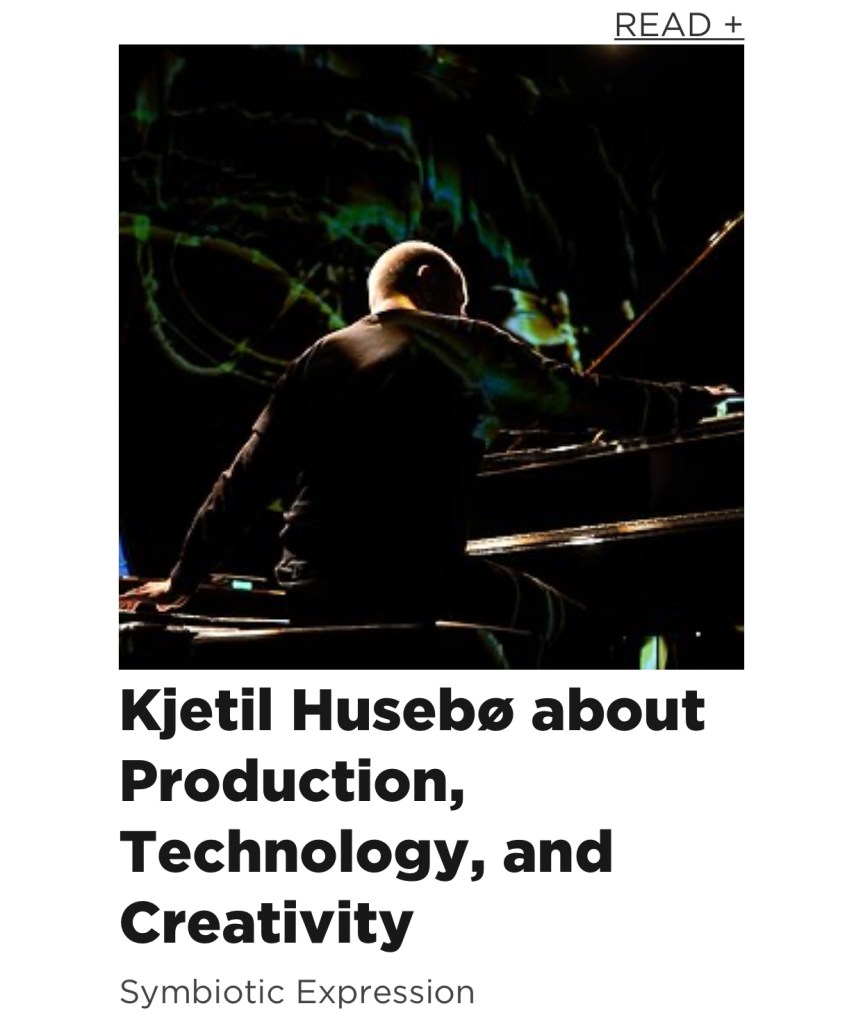
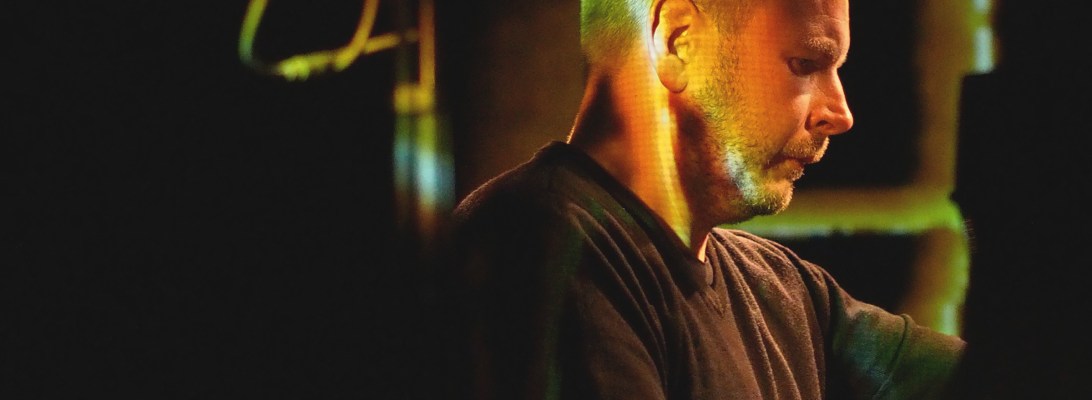
Kjetil Husebø
Synthesizers, samplers, electronics, compositions, mix & production at GrandisStudios, Oslo, 2025.
Mastering: Helge Sten at Audio Virus Lab, Oslo.
Cover design: Lucas Dietrich, Berlin.


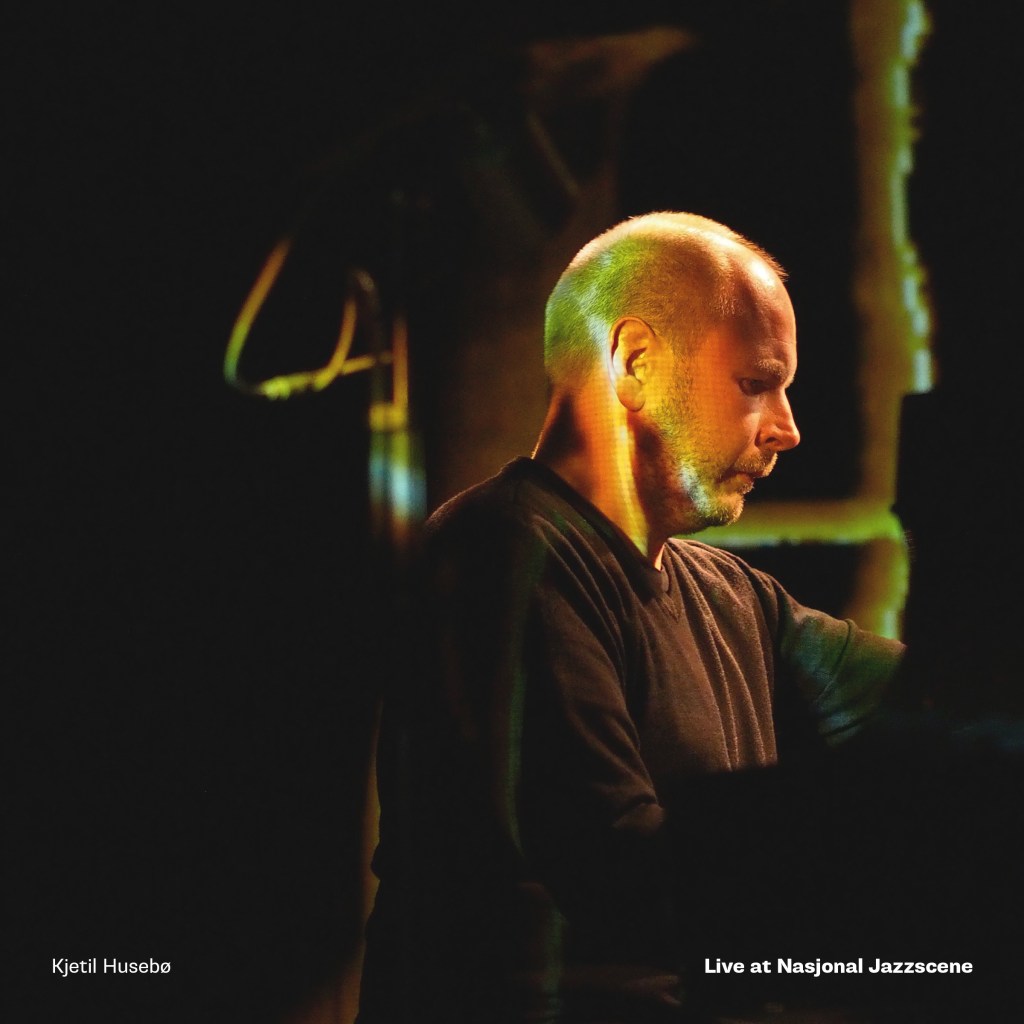


 Kjetil Husebø


